It is 5 Minutes to Midnight
The Bulletin of the Atomic Scientists
A non-profit organization dedicated to security, science and survival since 1945.
The Bulletin of the Atomic Scientists
A non-profit organization dedicated to security, science and survival since 1945.
= subscription requiredThe digital journal is in honor of John A Simpson, a founder of the Bulletin of the Atomic Scientists, and was made possible by a gift from the Scorpio Rising Fund and other generous donors.
In this interview, climate scientist and evangelical Christian Katharine Hayhoe describes how both her scientific expertise and her faith inform her efforts to explain climate change to the general public and especially to climate skeptics.
GLOBAL FORUM
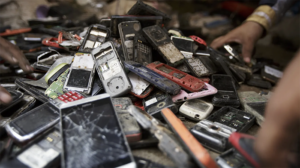
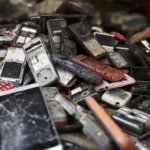
Attracting a crowd: What societal verification means for arms controlPowerful and portable electronic devices have spread so widely in recent years that societal verification now seems an imminent reality. Three authors explore the likelihood: Lassina Zerbo from Burkina Faso and representing the Preparatory Commission for the Comprehensive Nuclear Test Ban Treaty Organization; research fellow Nima Gerami from the United States; and nuclear engineer Jamal Khaer Ibrahim from Malaysia.
CORPORATE SUSTAINABILITY ISSUE
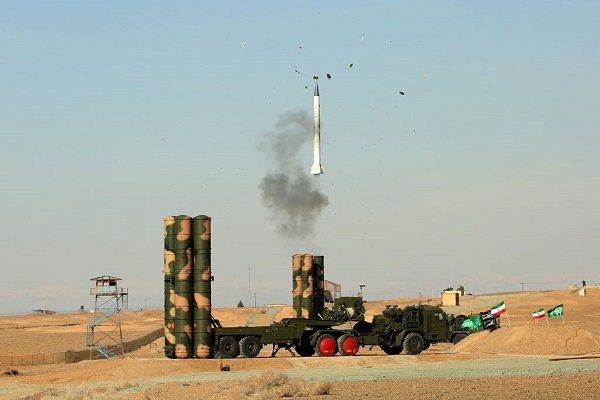
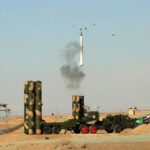
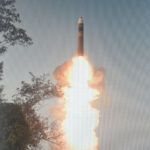
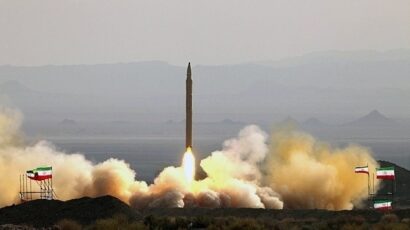
Targeted: A case study in Iranian illicit missile procurementIran's illicit efforts to obtain missile-grade oscillators -- components used in guidance systems -- have targeted Rakon UK. Consequently, the company now goes beyond basic compliance practices to mitigate overall risks. Its experiences can help shed light on the role that the private sector can play in combating proliferation.
The authors outline the history of corporate sustainability and argue that nonproliferation should be considered a sustainability issue. They propose a nonproliferation pledge and a series of nonproliferation indicators as potential first steps to distinguish between firms.
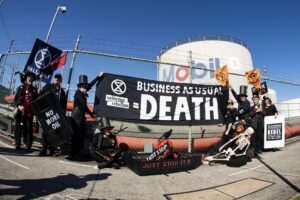
Traditionally, corporate sustainability efforts have focused on the direct impacts of a company's waste or the emissions associated with its operations, buildings, and vehicles. However, the majority of the US economy's climate, water, and pollution impacts are the result of complex supply chains, strung together to deliver value-added products and services. Investors and other stakeholders are responding by pressuring companies to disclose and quantify emissions and other supply chain environmental impacts. Despite significant progress, sustainability must be a society-wide effort.
Advanced technologies for making chemical, biological, and nuclear weapons can be purchased from hundreds of companies around the world. While treaty negotiations can take years, the question is whether industry could, in fact, govern itself. Recent experience in the artificial DNA industry, the authors write, shows that this approach can yield large dividends.

FEATURES
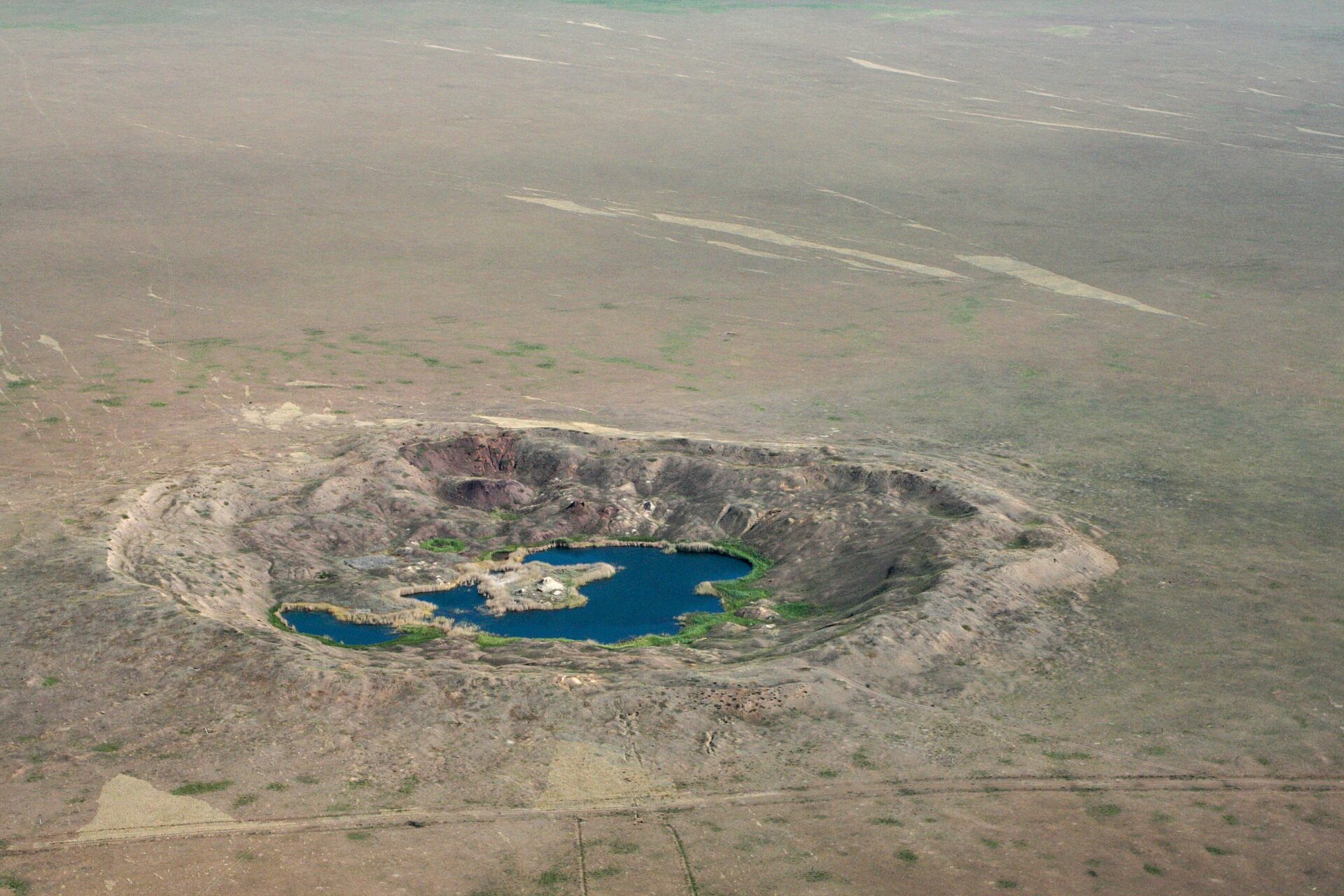
Three Mile Island: The driver of US nuclear power's decline?It is tempting to attribute variations in support for nuclear power to prominent accidents such as Three Mile Island in the United States or Fukushima in Japan. Highlighting the problems of such attribution, the authors discuss the historical context of the Three Mile Island accident in the United States and point out that the US nuclear industry faced major challenges even before the 1979 accident.