Science and Security Board
The Science and Security Board (SASB) is composed of a select group of globally recognized leaders with a specific focus on nuclear risk, climate change, and disruptive technologies. The SASB provides the Bulletin with objective external perspectives on trends and issues in these related fields and connects the organization to outside experts. The SASB’s responsibilities include: (1) setting the hands of the Doomsday Clock; (2) representing the Corporation at public events, especially to broadcast, print, and other media in coordination with the President and CEO; (3) serving as the Editorial Advisory Board of the Bulletin; (4) providing editorial and program advice to the staff of the Bulletin; (5) tracking and advising the governing board and the President and CEO on risks relating to man-made existential threats, including nuclear risk, climate change, and disruptive technologies; and (6) identifying new experts as contributors to the Bulletin and for membership on the SASB. The SASB grew out of the original Board of Directors established in 1945. A vote in 2008 restructured the Board of Directors into the Science and Security Board (SASB) and the Governing Board (GB).
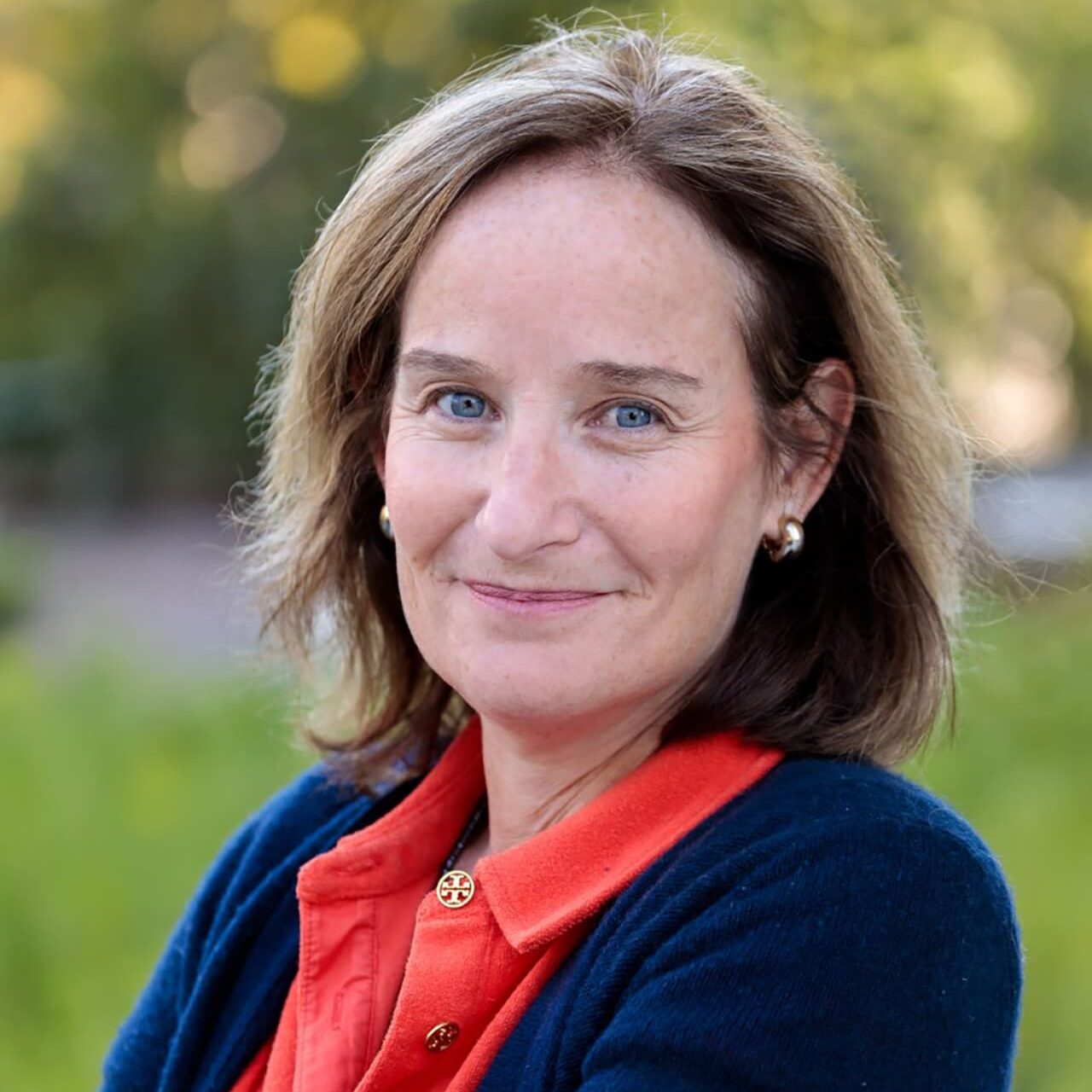
Rachel Bronson
Bronson is the president and CEO of the Bulletin of the Atomic Scientists, where she oversees the publishing programs, management of the Doomsday Clock, and a growing set of activities around nuclear weapons, nuclear energy, climate change, and disruptive technologies. Before joining the Bulletin, she served for eight years at the Chicago Council on Global Affairs in a number of capacities including: vice president of studies, vice president of programs and studies, and senior fellow, global energy. She also taught “Global Energy” as an adjunct professor at the Kellogg School of Management.
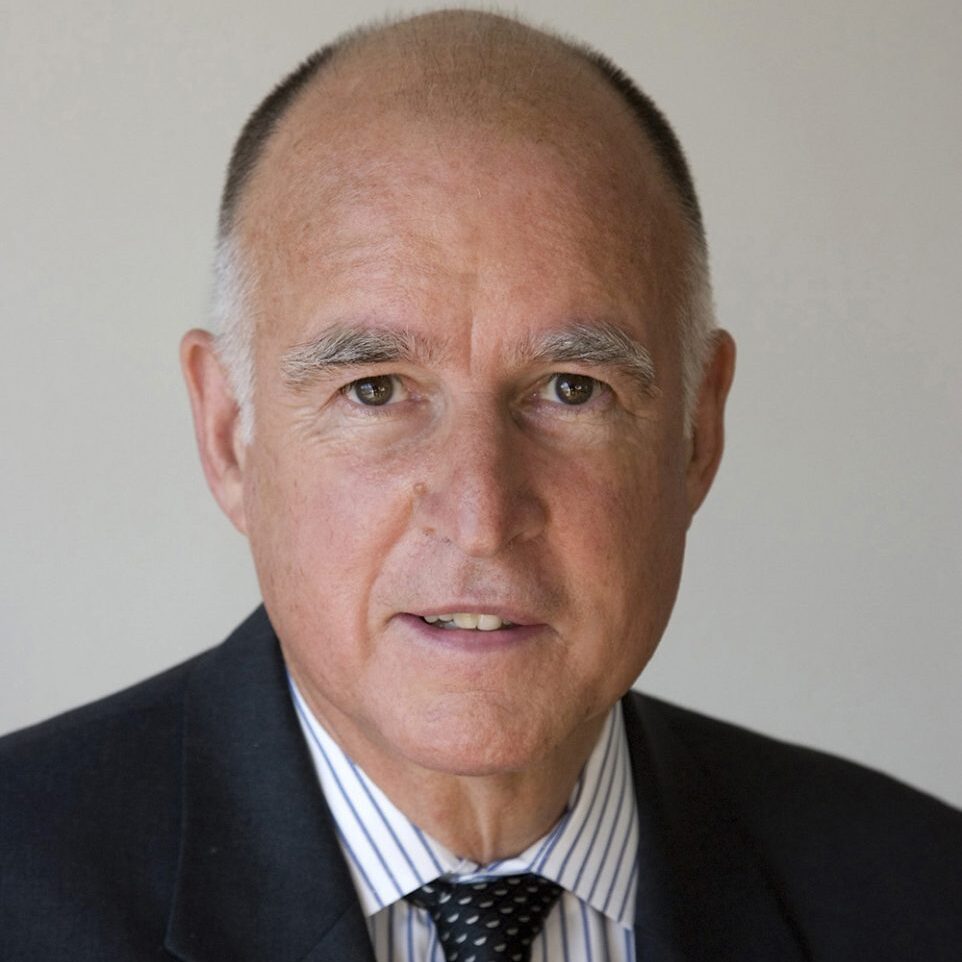
Edmund G. Brown Jr. (Executive Chair)
Brown completed his fourth term as Governor of the State of California in 2019. He began his career in public service in 1969 as a trustee for the LA Community College District and became California Secretary of State in 1970 and Governor of California in 1974 and 1978. After his governorship, Brown lectured and traveled widely, practiced law, served as chairman of the state Democratic Party, and ran for president. Brown was elected Mayor of Oakland in 1998 and California Attorney General in 2006; he was elected to a third gubernatorial term in 2010 and a fourth term in 2014. During this time, Brown helped eliminate the state's multi-billion budget deficit, spearheaded successful campaigns to provide new funding for California's schools, and established a robust Rainy Day Fund to prepare for the next economic downturn. His administration established nation-leading targets to protect the environment and fight climate change. Brown attended the University of California, Berkeley, and earned a JD at Yale Law School.
Steve Fetter
Fetter is a professor of public policy at the University of Maryland. He served for five years in the White House Office of Science and Technology Policy during the Obama Administration, where he led the environment and energy and the national security and international affairs divisions. He is a fellow of the American Physical Society and a member of the Union of Concerned Scientists board of directors and the National Academy of Sciences Committee on International Security and Arms Control. He has worked on nuclear policy issues in the Pentagon and the State Department and has been a visiting fellow at Stanford, Harvard, MIT, and Lawrence Livermore National Laboratory. He also served as associate director of the Joint Global Change Research Institute and vice chairman of the Federation of American Scientists. He is a recipient of the American Physical Society's Joseph A. Burton Forum and Leo Szilard Lectureship awards, the Federation of American Scientists' Hans Bethe 'Science in the Public Service' award, and the Secretary of Defense Medal for Outstanding Public Service.
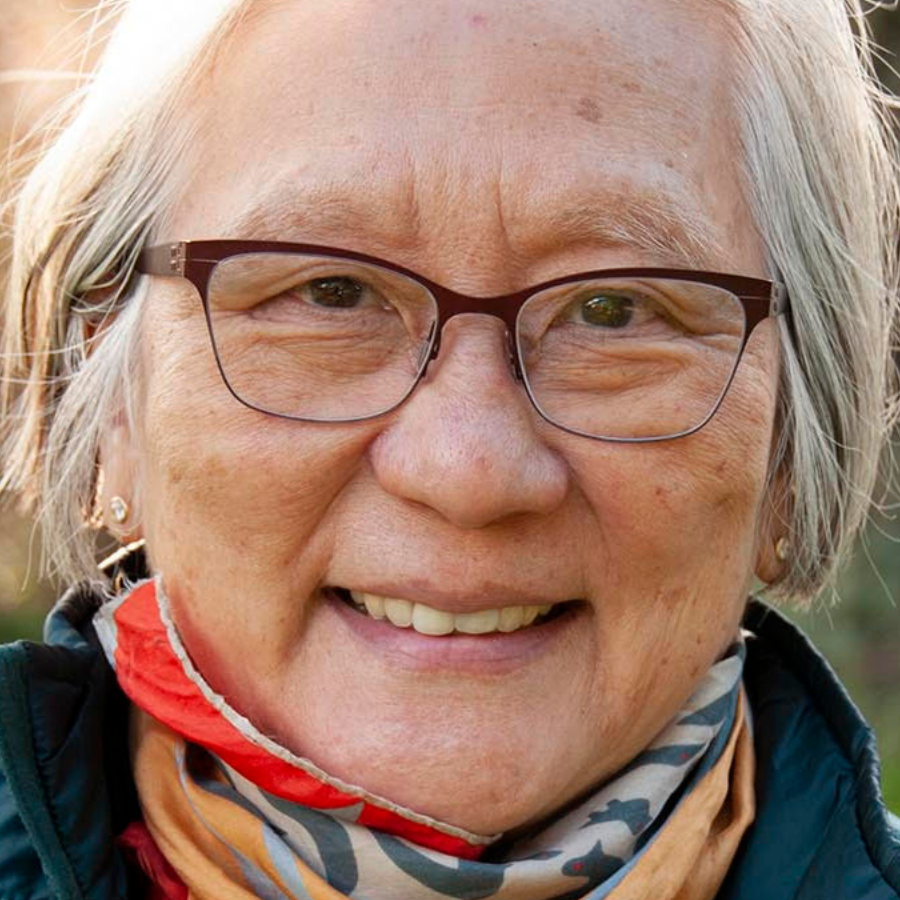
Inez Fung
Inez Fung is a Professor of Atmospheric Science in the Department of Earth and Planetary Science and the Department of Environmental Science, Policy and Management at the University of California, Berkeley. Her pioneering study of the global carbon cycle using a global three-dimensional model of atmospheric circulation proposed that the terrestrial biosphere of the northern hemisphere could also be a significant sink, in addition to the oceans, for anthropogenic CO2. She was the US lead for the 2014 joint NAS-Royal Society study “Climate Change: Evidence and Causes” and its 2020 update. Fung is a member of the US National Academy of Sciences; a foreign member of the Royal Society, London; and a member of Academia Sinica (Taiwan). Among her other honors are the Roger Revelle Medal from the American Geophysical Union and the C.G. Rossby Research Medal from the American Meteorological Society.
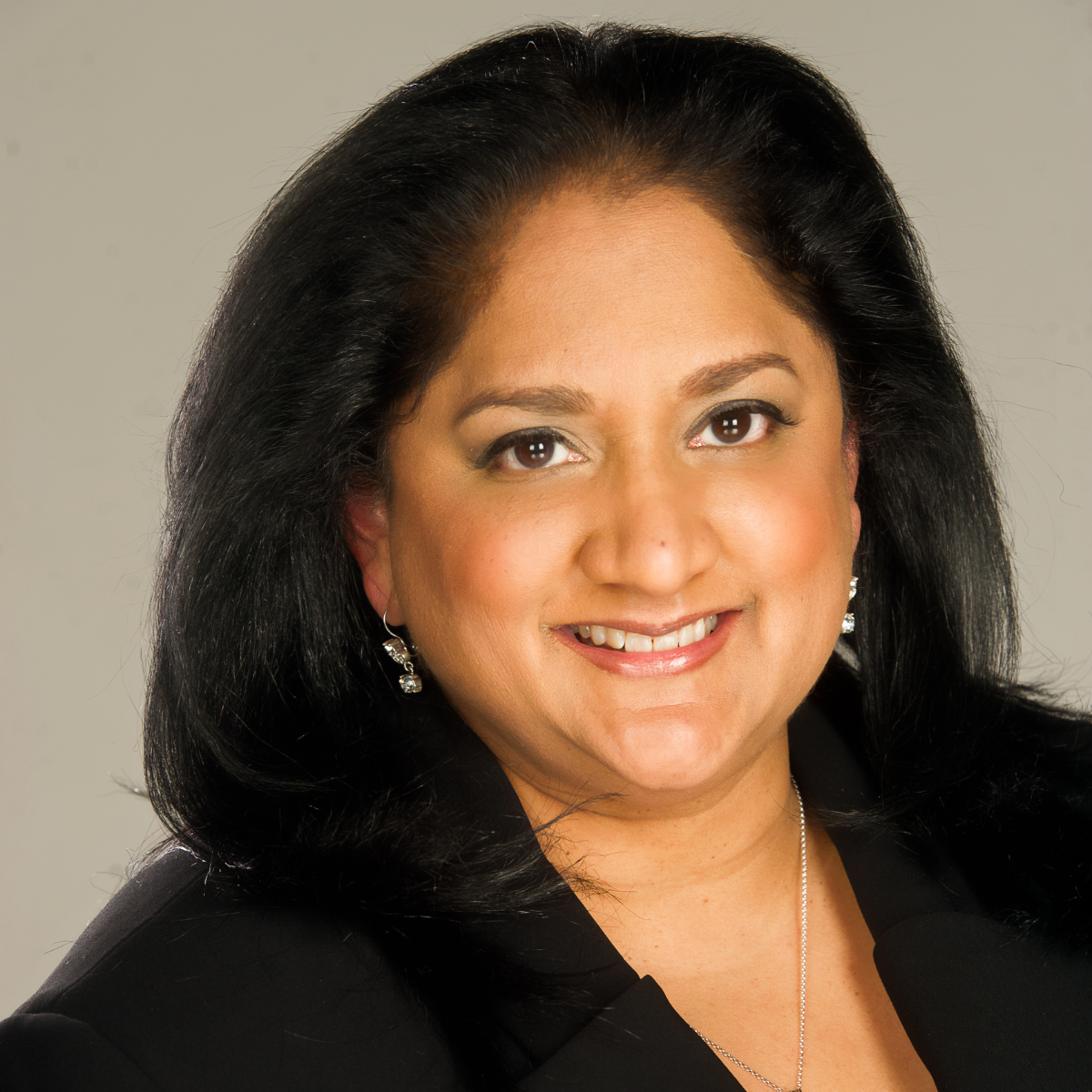
Asha M. George
George is the executive director of the Bipartisan Commission on Biodefense. She is a public health security professional whose research and programmatic emphasis has been practical, academic, and political. George served in the US House of Representatives as a senior professional staffer and subcommittee staff director at the House Committee on Homeland Security in the 110th and 111th Congress. She has worked for a variety of organizations, including government contractors, foundations, and non-profits. As a contractor, she supported and worked with all federal Departments, especially the Department of Homeland Security and the Department of Health and Human Services. George also served on active duty in the US Army as a military intelligence officer and as a paratrooper. She is a decorated Desert Storm Veteran. She holds a Bachelor of Arts in Natural Sciences from Johns Hopkins University, a Master of Science in Public Health from the University of North Carolina at Chapel Hill, and a Doctorate in Public Health from the University of Hawaii at Manoa. She is also a graduate of the Harvard University National Preparedness Leadership Initiative.
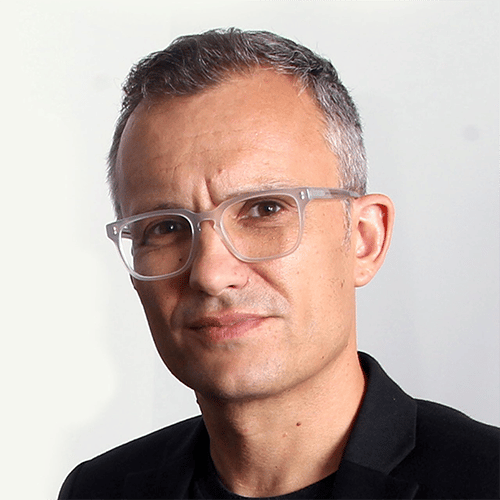
Alexander Glaser
Glaser is an associate professor in the School of Public and International Affairs and in the Department of Mechanical and Aerospace Engineering. Glaser has been co-directing Princeton's Program on Science and Global Security since 2016. Along with Harold Feiveson, Zia Mian, and Frank von Hippel, he is co-author of Unmaking the Bomb (MIT Press, 2014). For Princeton’s work on nuclear warhead verification, Foreign Policy magazine selected him as one of the 100 Leading Global Thinkers of 2014. In September 2020, Glaser was elected a Fellow of the American Physical Society for “advancing the scientific and technical basis for nuclear arms control, nonproliferation, and disarmament verification.” Along with Tamara Patton and Susanna Pollack, he is one of the executive producers of the VR documentary On the Morning You Wake. Glaser holds a PhD in Physics from Darmstadt University, Germany.
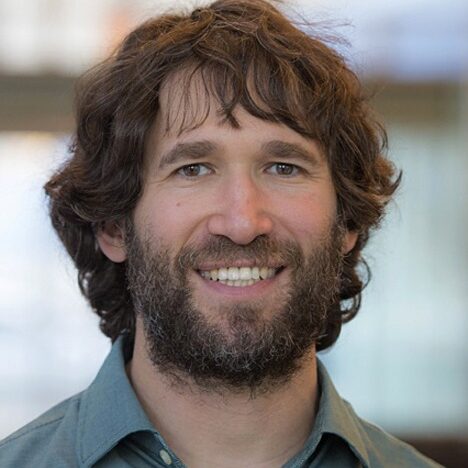
Daniel Holz (Chair)
Holz is a professor at the University of Chicago in the Departments of Physics, Astronomy & Astrophysics, the Enrico Fermi Institute, and the Kavli Institute for Cosmological Physics. His research focuses on general relativity in the context of astrophysics and cosmology. He is a member of the Laser Interferometer Gravitational-Wave Observatory (LIGO) collaboration, and was part of the team that announced the first detection of gravitational waves in early 2016 and the first multi-messenger detection of a binary neutron star in 2017. He received a 2012 National Science Foundation CAREER Award, the 2015 Quantrell Award for Excellence in Undergraduate Teaching, and the Breakthrough Prize in Fundamental Physics in 2016. Holz was selected as a Kavli Fellow of the National Academy of Sciences and is a Fellow of the American Physical Society. He received his PhD in physics from the University of Chicago and his AB in physics from Princeton University. As chair of the Science and Security Board, Holz is a member of the Governing Board, ex officio.
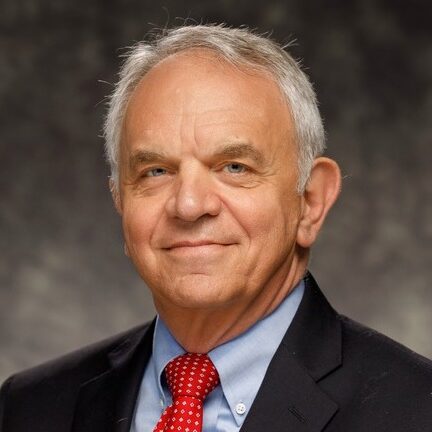
Robert Latiff
Latiff retired from the US Air Force as a major general in 2006. He is an adjunct professor at the University of Notre Dame and a research professor at George Mason University’s School of Engineering. He is also a member of the Intelligence Community Studies Board and the Committee on International Security and Arms Control of the National Academies of Sciences, Engineering, and Medicine. Latiff’s new book, Future Peace: Technology, Aggression, and the Rush to War, looks at the role technology plays in leading us into conflict. He is also the author of Future War: Preparing for the New Global Battlefield.
Herb Lin
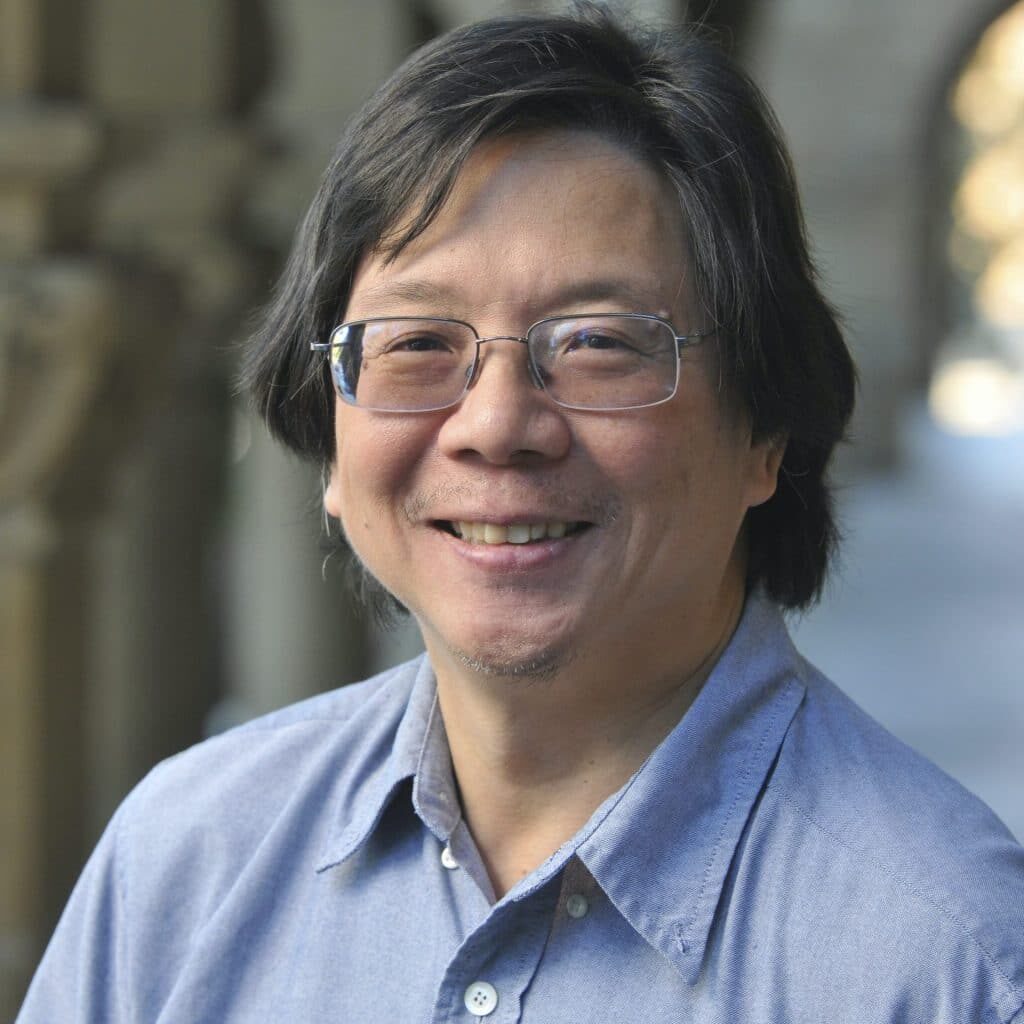
Lin is a senior research scholar for cyber policy and security at the Center for International Security and Cooperation, and Hank J. Holland Fellow in Cyber Policy and Security at the Hoover Institution, both at Stanford University. His research interests relate broadly to the policy and national security dimensions of cybersecurity and cyberspace, with focus on offensive operations in cyberspace and information warfare and influence operations. Lin holds additional affiliations with the National Academies, Columbia’s Saltzman Institute, and the Aspen Cybersecurity Group. In 2019, he was elected a fellow of the American Association for the Advancement of Science. In 2016, he served on President Obama’s Commission on Enhancing National Cybersecurity. He has previously served as a professional staff member and staff scientist for the House Armed Services Committee (1986-1990), where his portfolio included defense policy and arms control issues.
Suzet McKinney
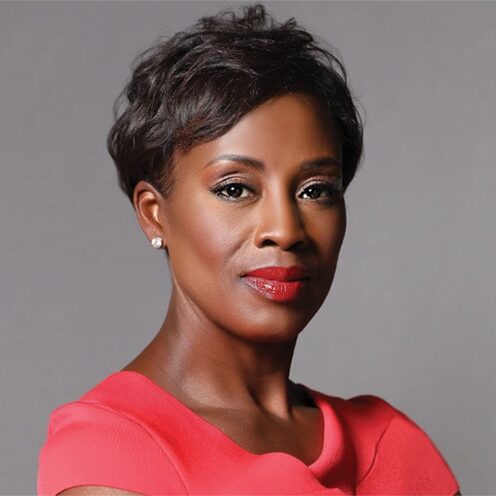
McKinney is the principal and director of Life Sciences for Sterling Bay where she oversees relationships with the scientific, academic, corporate, tech, and governmental sectors involved in the life sciences ecosystem. She also leads the strategy to expand Sterling Bay’s footprint in life sciences nationwide. She previously served as CEO and executive director of the Illinois Medical District, where she managed a 24/7/365 environment that included 560 acres of medical research facilities, labs, a biotech business incubator, universities, raw land development areas, four hospitals and more than 40 healthcare related facilities. In 2020, Dr. McKinney was appointed by Illinois Governor JB Pritzker as operations lead for the State of Illinois’ Alternate Care Facilities, a network of alternate medical locations designed to decompress the hospital system during the COVID-19 pandemic. Dr. McKinney holds her Doctorate degree from the University of Illinois at Chicago School of Public Health and received her Bachelor of Arts in Biology from Brandeis University. She received her Master of Public Health degree and certificates in Managed Care and Health Care Administration from Benedictine University in Lisle, IL.
Steven Miller
Miller is director of the International Security Program at the Belfer Center for Science and International Affairs in Harvard University’s Kennedy School of Government. He is a fellow of the American Academy of Arts and Sciences, where he is a member of the Committee on International Security Studies (CISS). Miller is also co-chair of the US Pugwash Committee, and is a member of the Council of International Pugwash. Miller co-directed the Academy’s project on the Global Nuclear Future Initiative with the Bulletin’s former Science and Security Board chair, Robert Rosner.
Raymond Pierrehumbert
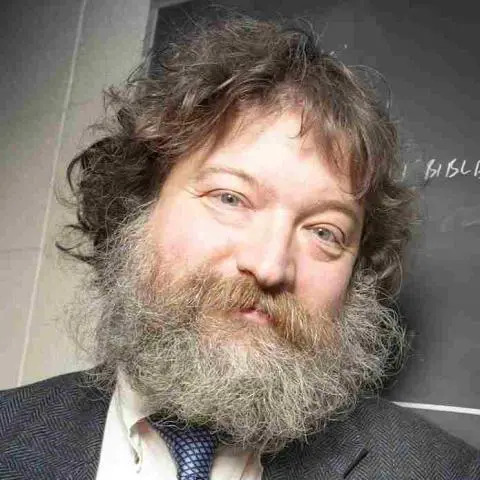
Pierrehumbert is Halley Professor of Physics at the University of Oxford. He was a lead author on the IPCC Third Assessment Report, and a co-author of the National Research Council report on abrupt climate change. He was awarded a John Simon Guggenheim Fellowship in 1996, which was used to launch collaborative work on the climate of Early Mars with collaborators in Paris. He is a Fellow of the American Geophysical Union (AGU), a Fellow of the American Academy of Arts and Sciences, and has been named Chevalier de l'Ordre des Palmes Académiques by the Republic of France. Pierrehumbert’s central research interest is the use of fundamental physical principles to elucidate the behavior of the present and past climates of Earth and other planets, including the growing catalog of exoplanets. He leads the European Research Council Advance Grant project EXOCONDENSE.
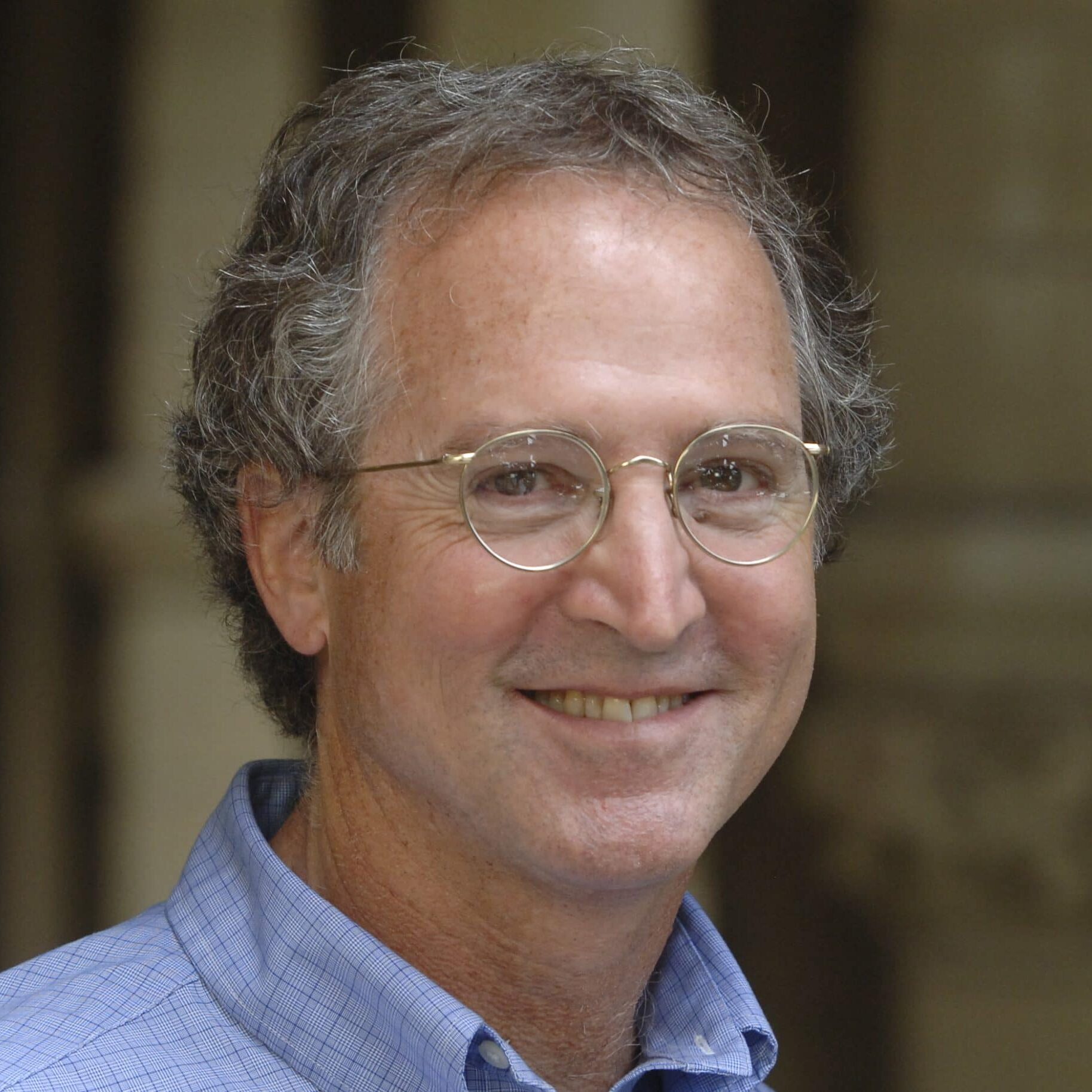
David A. Relman
Relman is the Thomas C. and Joan M. Merigan Professor in Medicine, and a professor of Microbiology & Immunology at Stanford University, and chief of infectious diseases at the Veterans Affairs Palo Alto Health Care System. He is also senior fellow at the Center for International Security and Cooperation at Stanford and served as the Center’s science co-director from 2013-2017. Relman was an early pioneer in the identification of previously unrecognized microbial pathogens and in the modern study of the human microbiome (the microbial communities that inhabit the human body). He served as president of the Infectious Diseases Society of America, and as chair of the Forum on Microbial Threats at the US National Academies of Science, and is currently a member of the Defense Science Board for the US Department of Defense and the Science and Technology Advisory Committee for the US Department of Homeland Security’s National Biodefense Analysis and Countermeasures Center. He was elected to the National Academy of Medicine in 2011 and the American Academy of Arts & Sciences in 2022.
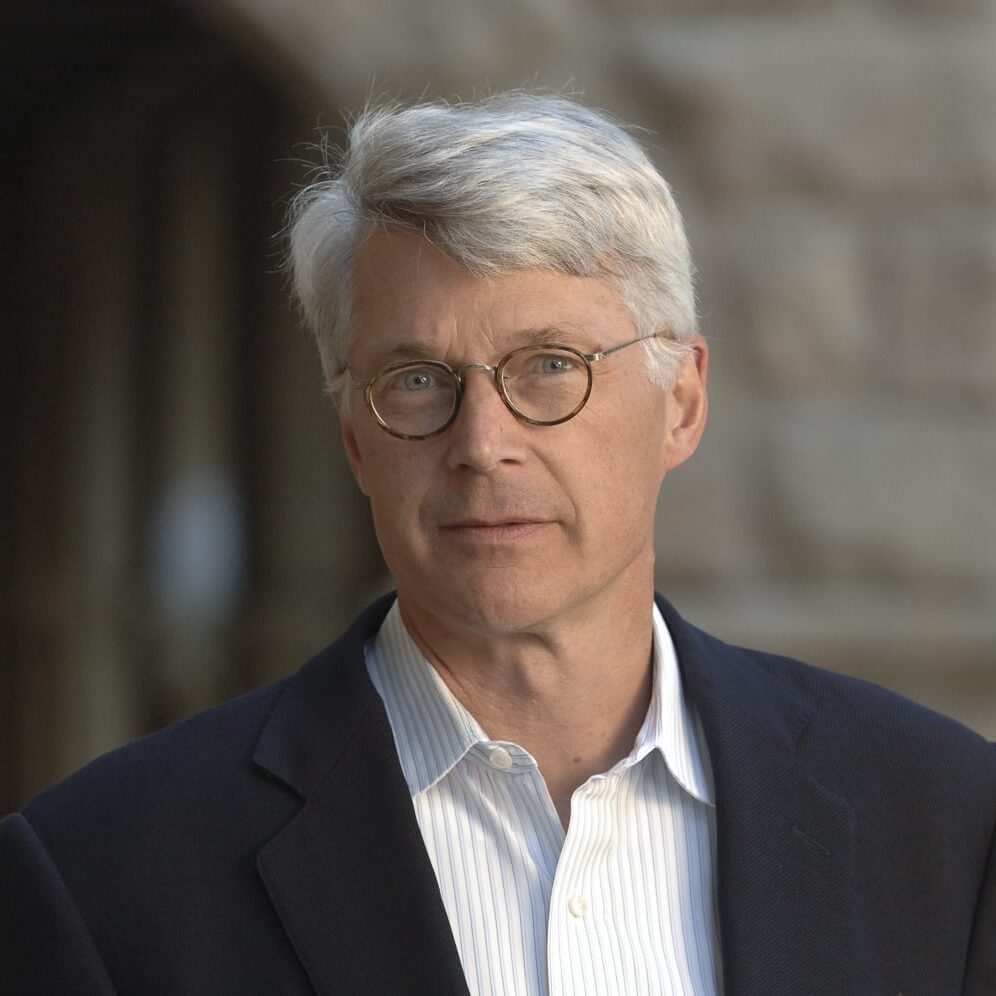
Scott Sagan
Sagan is the Caroline S.G. Munro Professor of Political Science, the Mimi and Peter Haas University Fellow in Undergraduate Education, Co-Director and Senior Fellow at the Center for International Security and Cooperation, and Senior Fellow at the Freeman Spogli Institute at Stanford University. He also serves as Chairman of the American Academy of Arts and Sciences’ Committee on International Security Studies. Before joining the Stanford faculty, Sagan was a lecturer in the Department of Government at Harvard University and served as special assistant to the director of the Organization of the Joint Chiefs of Staff in the Pentagon. Sagan has also served as a consultant to the office of the Secretary of Defense and at the Sandia National Laboratory and the Los Alamos National Laboratory.
Ambuj Sagar
Sagar is the deputy director (strategy & planning) and the Vipula and Mahesh Chaturvedi Professor of Policy Studies at the Indian Institute of Technology (IIT) Delhi. He previously served as the founding head of the School of Public Policy at IIT Delhi. Sagar was a lead author in Working Group III of the IPCC’s Sixth Assessment Report and currently is a member of the Independent Group of Scientists appointed by the UN Secretary-General to prepare the Global Sustainable Development Report 2023. He has served as a respected advisor to various Indian government agencies as well as many multilateral and bilateral agencies and was a member of the NAS panel that authored the recent report on geoengineering research and governance.
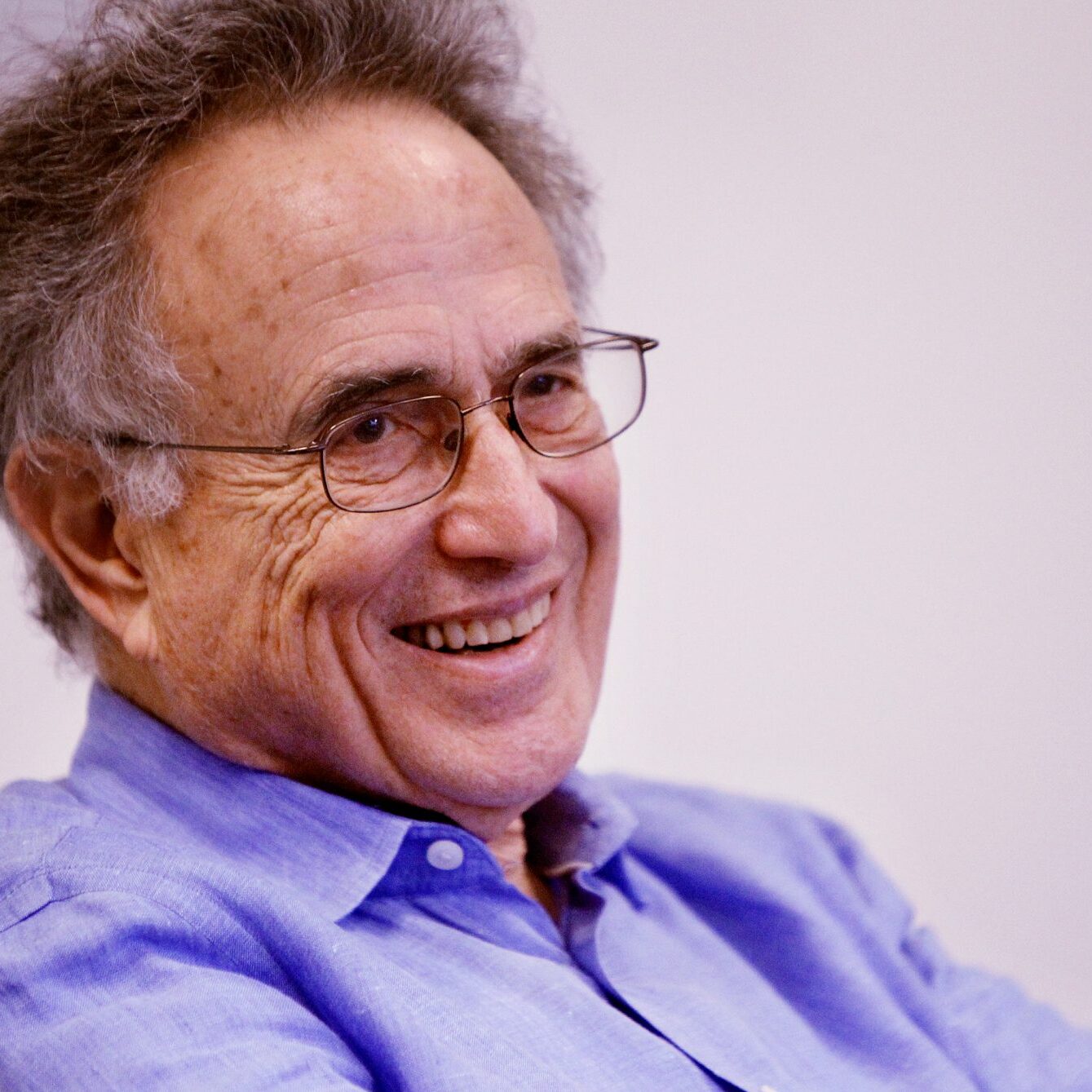
Robert Socolow
Socolow is professor emeritus in the Department of Mechanical and Aerospace Engineering at Princeton University. He currently serves on the National Academy of Sciences Advisory Committee to the U.S. Global Change Research Program. From 2000 to 2019, he and Steve Pacala were the co-principal investigators of Princeton's Carbon Mitigation Initiative, a twenty-five-year (2001-2025) project supported by BP. His best-known paper, with Pacala, was in Science (2004): "Stabilization Wedges: Solving the Climate Problem for the Next 50 Years with Current Technologies." Socolow is a member of the American Academy of Arts and Sciences, an associate of the National Research Council of the National Academies, a fellow of the American Physical Society, and a fellow of the American Association for the Advancement of Science. His awards include the 2009 Frank Kreith Energy Award from the American Society of Mechanical Engineers and the 2005 Axelson Johnson Commemorative Lecture award from the Royal Academy of Engineering Sciences of Sweden (IVA). In 2003 he received the Leo Szilard Lectureship Award from the American Physical Society.
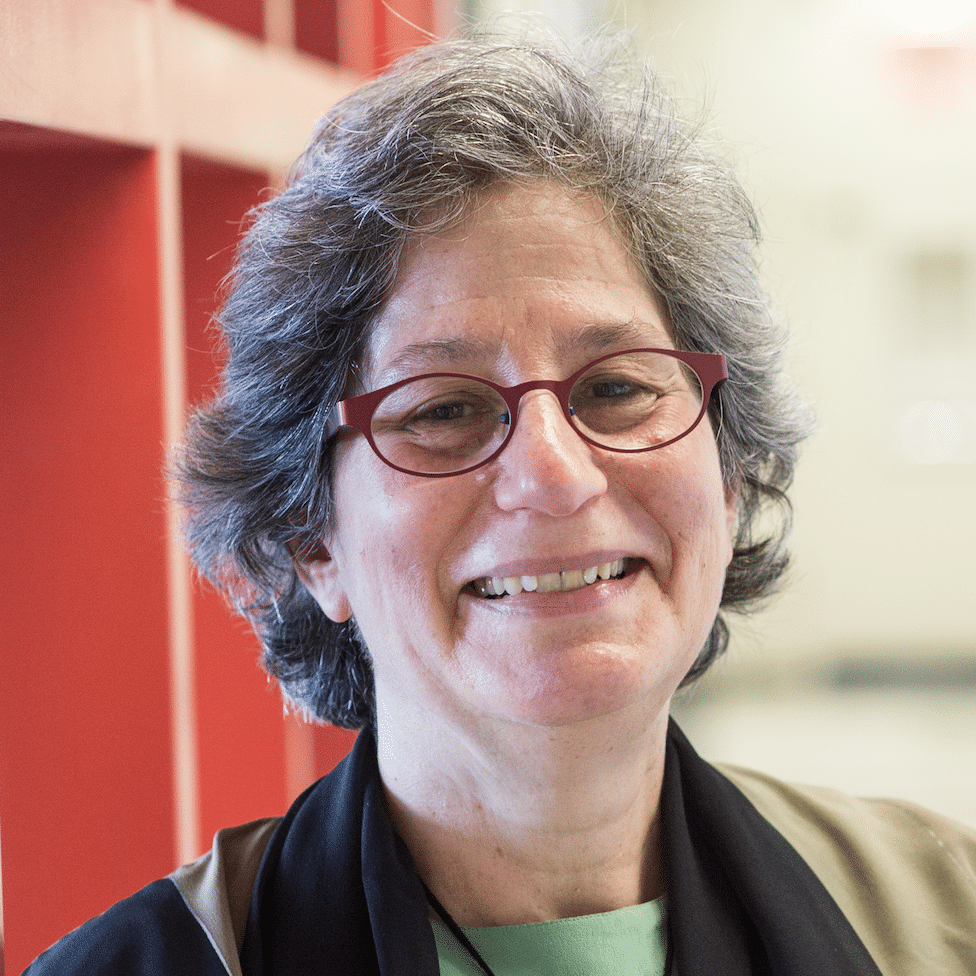
Susan Solomon
Solomon is the Lee and Geraldine Martin Professor of Environmental Studies at the Massachusetts Institute of Technology and was the Founding Director of the MIT Environmental Solutions Initiative from 2014-2015. She is well known for pioneering work that explained why there is a hole in the Antarctic ozone layer and is the author of several influential scientific papers in climate science. Solomon received the Crafoord Prize from the Swedish Academy of Sciences in 2018, the 1999 US National Medal of Science, the nation’s highest scientific award, in 1999, and has also received the Grande Medaille of the French Academy of Sciences, the Blue Planet Prize in Japan, the BBVA Frontiers of Knowledge Award, and the Volvo Environment Prize. She is a member of the US National Academy of Sciences, the French Academy of Sciences, and the Royal Society in the UK. She served as co-chair for the Intergovernmental Panel on Climate Change (IPCC) fourth climate science assessment report, released in 2007. Time magazine named Solomon as one of the 100 most influential people in the world in 2008.
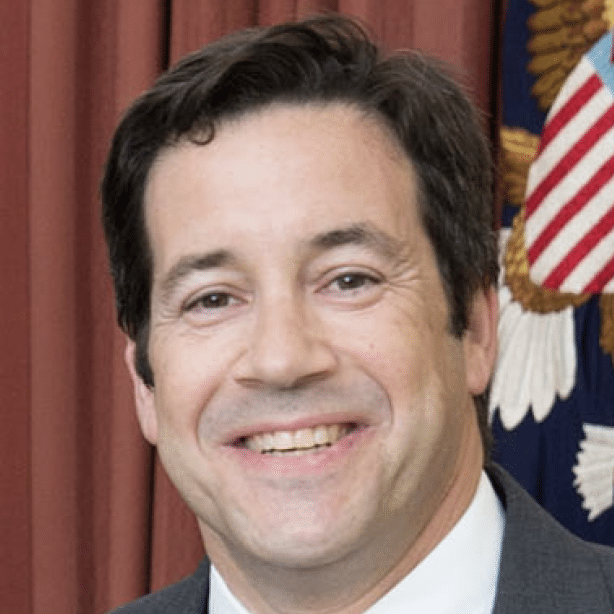
Jon Wolfsthal
Wolfsthal is a globally recognized expert on nuclear weapons, deterrence and international security policy. He currently directs the Global Risk program at the Federation of American Scientists, serves on the Science and Security Board of the Bulletin of the Atomic Scientists, and is a member of the US Department of State’s International Security Advisory Board. He is also the co-host of “We’re All Gonna Die Radio”, a technology and security podcast on the Deep State Radio network. Before 2017, Mr. Wolfsthal served as Special Assistant to President of the United States Barack Obama for National Security Affairs and is a former senior director at the National Security Council for arms control and nonproliferation.