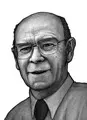
Malcolm Dando
Malcolm Dando is a biologist researching international security at the University of Bradford’s Department of Peace Studies with a focus on chemical and biological weapons, arms control, and biosecurity. Author and contributor to numerous books on bioweapons and biotechnology, including Deadly Cultures: Biological Weapons Since 1945, Dando’s recent research includes how the revolution in the life sciences might open up possibilities for new biological weapons. Dando previously held a Ministry of Defence-funded fellowship in operational research at the University of Sussex.
- The Biological and Toxin Weapons Convention Website
- The Genomics Gateway
- The Harvard/Sussex Program on CBW Armament and Arms Limitation
- Center for Nonproliferation Studies' Chemical and Biological Weapons Nonproliferation Program
- BioWeapons Prevention Project
- U.N. Office for Disarmament Affairs
Recent work
"The Impact of Scientific and Technological Change"
Bioterrorism: Confronting a Complex Threat (Lynne Rienner Publishers, 2007)"Preventing the Future Military Misuse of Neuroscience"
Technology and Security (Palgrave Macmillan, 2007)"Scientific Outlook for the Development of Incapacitants"
Incapacitating Biochemical Weapons: Promise or Peril? (Rowan and Littlefield, 2007)"A Scientific Advisory Panel for the Biological and Toxin Weapons Convention as an Element in the Web of Prevention"
The Web of Prevention: Biological Weapons, Life Sciences, and the Governance of Research (Earthscan Publications Limited, 2007)"A Hippocratic Oath for Life Scientists"
EMBO Reports (July 2006)
Articles by Malcolm Dando